Category Archives: Health

The cat who comforts the dying

The Steere House Nursing and Rehabilitation Center in Providence, Rhode Island, believes in the therapeutic benefits of animal companionship and is home to a variety of animals, including a number of cats, parakeets, a floppy-eared bunny and several regular canine visitors.

But Oscar the cat is unique.

Oscar came to Steere House 11 years ago as a kitten. The staff decided to adopt him, and he immediately took on a very vital role for the nursing home. Oscar has the uncanny ability to sense when patients are dying and stays with them in their time of need. Oscar’s presence notifies the nurses that help is needed and enables the family members to prepare for the end.

Oscar made headlines in 2007 when he was featured in an article by David Dosa, M.D., in the New England Journal of Medicine. In the article, Dr. Dosa described how Oscar has demonstrated an ability to detect a patient’s impending death and how in doing so, he is able to provide a touch of comfort to the dying, elderly residents of Steere House’s Safe Haven Advanced Care unit and their families who are dealing with the latter stages of Alzheimer’s Disease and other forms of end-stage dementia.

I found these interesting comments by viewers of the video on YouTube:

“I’ve worked at a nursing home. We had a cat that curled up next to passing residents. Not every time, but often. It’s not uncommon.”

“Fascinating! Oscar is the split image of my cat Pip, they look exactly the same and both have shown an uncanny insight re the health and well-being of people to whom they are closely associated with. I live alone with my pet cat, Pip and at night she always sleeps at the foot of my bed. One evening last year after I had gone to bed, Pip came in and jumped up close to my head and immediately began to rummage her nose through my beard and under my chin, mainly on one side of my neck. This was very strange and unusual behaviour for my cat. I fell asleep soon after about 15 minutes of this treatment. In the morning Pip had gone out and I thought no more about what had happened but in the afternoon I I felt a little pain in my throat. This pain then continued daily and every time I was resting Pip would repeat what had happened that night. I began to sense that there was something seriously wrong with my throat and thought that Pip was trying to tell me this. Over the following weeks I saw 3 GPs and not one of them diagnosed my problem. Eventually I managed to get an appointment with a consultant at a hospital quite a long way from where I live and with a special instrument he was able to look far enough down my throat to see that I had a growth on my `voice-box` The biopsy showed that I had cancer. I underwent radiotherapy (6 sessions over 3 weeks) The cancer pain disappeared after 3 sessions and on the day that the pain went, Pip resumed sleeping at the foot of my bed I feel now that the cancer has gone, and Pip seems to think so.”

“Its true cats are amazing creatures. My elderly dad suffered a fall in the middle of the night on his way to the bathroom and hit his head and wasn’t able to get up. He was 98 years old. Our cat was outside at the time and he ran to my mom’s bedroom window and meowed until she woke up to let him in (around 3am) where she found my dad on the dining room floor in a pool of blood and called 911 to get him help. If it weren’t for our cat, my mom wouldn’t have found him until the morning.”

“I hope I have a cat lay next to me if I should have to live out my last days alone in a nursing home.”

See also “Peyo, the horse who comforts the sick and dying“.

~E

RIP, Dave (1964-2020)

Today, March 29, would have been Dave’s 57th birthday.

Dave was a reader of Fellowship of the Minds from almost the founding of FOTM on December 23, 2009, and became a contributing writer soon after.

A civil engineer in mapping and land-surveying by profession, Dave was a staunch conservative-libertarian and had a great sense of humor.

Although his contributions to FOTM had greatly diminished in recent years because of ill health, this post of his, “Too Funny Not to Share,” on September 23, 2019, should give you an idea of both his conservativism and sense of humor:

Too Funny Not to Share

What happens when a climate change protester kook tries to take away a French cop’s weapon:

Watch this hypnotic GIF of a climate protester trying to take a cop’s rifle

Note: You have to click on the link at the top.

LOL – I bet you can’t stop watching it. 😁

– Dave

I downloaded the GIF, then uploaded it to FOTM to make it more readily viewable for our readers:

Last year, it dawned on me that I had not seen comments from Dave for quite some time — his last comment was in March 2020.

I first emailed him, but received no response.

Then I called him, and left a voice mail. (He lived alone.)

Days and weeks went by.

Still no response.

I began searching online for obituaries, but found none.

Finally, while rummaging through my saved emails one day, I happened on an email from Dave’s sister-in-law, Kristy, who had emailed me in December 2013 during one of Dave’s hospitalizations.

I emailed Kristy, inquiring about Dave, although by then I knew something was very wrong.

Kristy promptly wrote back with the sad news that Dave had passed on June 9, 2020 from liver failure. She wrote:

He was in terrible health and had stayed away from the hospital because he was afraid he’d get Covid. I believe he’d still be alive today if he had been able to get his routine care. He passed away on the couch and we had spoken with him just a day earlier. He knew he was loved and we miss him terribly.

There was no funeral service because of the COVID-19 pandemic. Nor was there an obituary. So this is FOTM‘s obituary and tribute to Dave — faithful patriot, witty blogger, and a loyal friend, whom I very much miss.

Rest in peace, my friend.

~Eowyn

This is what happens to newborn babies in a COVID-19 world

We already know that in the COVID-19 world, people died and are dying alone because family members are not allowed to visit their loved ones in hospitals and nursing homes.

But I had no idea that newborn babies are subjected to this utterly inhumane treatment, deprived of human touch (h/t Ian Miles Cheong):

~E

Peyo, the horse who comforts the sick and dying

The Guardian reports, March 12, 2021, that Peyo is a 15-year-old stallion who once competed at dressage events — a form of riding through a series of complex maneuvers performed in exhibition and competition.

Nowadays, by his choice, Peyo is a therapy horse who, with his trainer, Hassen Bouchakour, visits the palliative care center at Calais Hospital in northern France.

At the hospital, Peyo tells Hassen which room he wants to enter by stopping or raising his leg.

Peyo seems able to detect when humans have cancers and tumors, and has a sixth sense for those in the hospital who are in the most need.

Peyo often stays with sick people until the end, as in the case of a dying woman with whom Peyo stayed for nearly two hours.

Hassen said that since 2016, Peyo has comforted around 1,000 people until their last breath.

St. Bonaventure called animals “creatures without sin”.

And indeed, God’s non-human creatures are without the Original Sin — the concupiscence or inclination toward evil — which stains every human.

Truly, Peyo is a creature without sin — an angel in equine guise.

~E

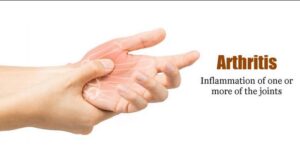
Arthritis and red meat

If you have arthritis or a joint disease, you may want to consider not eating red meat.

From 1MD:

The most common cause of joint pain in the United States is arthritis. There are many forms of this painful disease but the common factor is inflammation. Inflammation plays a valuable part of our immune defense because it rushes blood to an injury site. The white blood cells are therefore able to get to the destination quickly and protect us from infection.

However, our immune system sometimes triggers a response when there are no foreign invaders. With autoimmune diseases, our body starts to break down our own tissues as if they were infected. Joints are a very common area to become affected by these inflammatory attacks. The cartilage in the joints is eroded away and as the bones come into contact with each other, there is severe pain and discomfort.

Research and experience has pointed to foods playing an important role when it comes to the development of arthritis. When certain foods are avoided, people have reported improvements in their symptoms. It was discovered that vegetables are important in the reduction of inflammation. Not only do many possess anti-inflammatory properties but they also have the ability to destroy free radicals….

Foods that typically aggravate arthritis symptoms include dairy, fats, sugar, caffeine and meat. Studies found that by reducing consumption of these foods and increasing levels of omega-3 fatty acid intake, symptoms of joint pain were reduced.

Why is consumption of red meat bad for arthritis”

Iron is found to be a catalyst for the production of free radicals. Red meats supply an overload of iron and no vitamin C or E. These two vitamins are essential due to their ability to neutralize free radicals. A diet high in red meats that is not balanced by antioxidant-full vegetables is a guarantee to increase inflammation, worsening arthritis and joint pain.

It is important to understand that meat itself does not cause arthritis. Rather, it triggers or worsens the symptoms. Meat contains more purines than other foods, which are directly linked to increased uric acid levels.

The more purine that we take in, the higher the uric acid level production. As a byproduct, uric acid deposits in joints, which is known to trigger inflammation flare-ups. It is therefore recommended that those suffering from arthritis avoid a high-meat diet.

Additionally, fatty meats such as red or processed meats are high in saturated fats, which also increases inflammation. Because it is filling, it does not leave room for other foods in your diet. You may miss out on foods with anti-inflammatory properties, such as cold-water fresh fish. A high-fat and high-calorie diet is also likely to cause weight gain, which adds additional pressure and strain to your joints….

Omega-6 fatty acids are found in meats and are notorious for enhancing inflammation in joints.

Why the food we eat affect our immune system:

Since 70% of our immune system cells reside in the gut, they come into direct contact with the food we eat. Meats with these attributes easily trigger an inflammatory response, which is why the amount you eat should be monitored.

What you should eat:

If you suffer from joint pain and arthritis there are a few foods that are pain-safe and should definitely be concluded on your diet. Even if you eat red meat fairly regularly, including these foods will help to keep your system balanced and can protect from excessive inflammation.

♦ Brown rice

♦ Cooked or dried fruits such as cherries, berries or pears. Stay clear of bananas, peaches and citrus fruits.

♦ Cooked green, yellow and orange vegetables

♦ Water. Drink plenty of water, regular or carbonated. Other beverages, especially caffeinated ones, can be triggers.

♦ Condiments are okay as long as they are eaten in moderation (this includes salt)

The bottom line:

Meat can provide much needed iron, protein, zinc, and B vitamins. As we age, we require more protein to protect against bone fragility, poor healing, and poor immune function. Because of this, you may not want to avoid meat altogether….

The best solution is to include non-fatty meats in your diet and to combine them with good portions of arthritis-friendly foods, such as whole grains, fresh fruit, and vegetables.

Take care of your joints and stick to lean cuts of pork and poultry or fish to deliver your protein and nutrients.

~E

Coffee drinking associated with less pneumonia among elderly

Pneumonia is the leading cause of infection-related deaths in the United States, with potential for severe complications such as respiratory failure and sepsis. (CDC)

The mortality of rate is pneumonia is highest among the elderly (age 70 and over). In 2017, 261 out of 100,000 people died in this age group due to pneumonia. (Our World in Data)

From 2009 to 2014, a team of 13 Japanese scientists, led by Kyoko Kondo of Osaka City University Hospital, sought to find if there’s an association between coffee and green tea intake and pneumonia among the elderly.

The team undertook a matched case–control study of 65 years or older patients who were newly diagnosed with pneumonia by a physician at 24 hospitals in Japan. As a control, patients with the same sex and age who visited the same hospital around the same time for a disease other than pneumonia were selected.

A total of 199 cases and 374 controls were enrolled.

The study found a negative or inverse association between coffee drinking and pneumonia, i.e., the more coffee drinking, the less likelihood of pneumonia.

Compared to those who do not drink coffee, the odds ratio (OR) for pneumonia of those who drink less than one cup of coffee per day was 0.69, OR of those who drink one cup was 0.67, and OR of those who drink two or more cups was 0.50.

No association was found between pneumonia and green tea consumption.

The scientists conclude that their study “suggested” there is “a preventive association between coffee intake over 2 cups per day and pneumonia in the elderly“:

A large prospective cohort study in the United States showed an inverse association between coffee intake and total death, and there were inverse association between coffee intake and chronic respiratory diseases and pneumonia and influenza in deaths by cause3. Other cohort studies have also reported an inverse association between coffee intake and death from respiratory diseases (pneumonia, influenza, chronic obstructive pulmonary disease, and related symptoms)4,14. These findings suggest that coffee may have a preventive influence for chronic and acute respiratory diseases….

In addition to coffee drinking’s positive effects on respiratory functions, coffee also promotes anti-bacterial activity and intestinal flora:

Caffeine contained in coffee has arousal effect, inotropic effect, diuretic effect, and respiratory function improving effect, and theophylline of its metabolites, has bronchodilation, stimulation of respiratory center, and anti-inflammatory effect16. In addition, coffee components such as caffeine, chlorogenic acid, and trigonelline have been reported to have antibacterial activity17,18,19,20,21,22.

There are also some research reports on the association between coffee and intestinal flora. Mills CE and colleagues have tested in vitro that chlorogenic acid, a type of polyphenol abundant in coffee beans23, improves the balance of the gut flora24. In addition, arabinogalactan contained in coffee beans has an effect of growing specific bifidobacteria25, and bifidobacteria grown in the large intestine have a function of activating immune cells26. Because the intestinal flora changes with aging, for example the number of bifidobacteria that work well for the body reduce significantly after the age of sixty27, these coffee components may have a beneficial effect on the gut flora. The role of these components in coffee may have played a role in reducing the risk of pneumonia in the elderly seen in this study.

To read the report of the study, see Scientific Reports volume 11, Article number: 5570 (2021)

Source: Nature.com

Also, a 2018 study by the National Cancer Institute and the National Institutes of Health found that drinking coffee is associated with a lower risk of early death. In fact, drinking up to seven cups every day could cut death rates by 16%. (Independent)

~E

Baby goats line up to get hugs

This is too precious for words…. (h/t Elizabeth)

But wait!

The alpaca, waiting so patiently, needs a hug too!

Here are 5 health benefits of hugging and cuddling (source:  Well+Good):

  1. You sleep better: Hugs and cuddling lead to the brain releasing oxytocin, which counters the production of the “stress hormone” cortisol. The lowered cortisol and increased oxytocin promote feelings of safety, security, and relaxation—all of which facilitate sleep. A higher level of oxytocin has also been linked to having fewer nightmares.
  2. Lessen stress: Stress really can make us sick. In addition to oxytocin, cuddling also lowers stress when the body produces serotonin, the “happy hormone” that promotes feelings of happiness and pleasure.
  3. Improve digestive functioning: The more often we cuddle, the more serotonin we produce, and the more serotonin we produce, the better our ability is to digest and process food. This is why we feel depressed, we may lose our appetite.
  4. Reduce pain: The oxytocin that’s released when we cuddle is an antidote to physical and emotional pain. Serotonin, the happy hormone, also decreases our sensitivity to pain.
  5. Boost our immune system: Cuddling improves our immune system because oxytocin and serotonin lower stress. Serotonin is also linked to gut health, and gut health is linked to immunity. A stronger immune system, in turn, helps us to manage stress,  reduce inflammation, fight illnesses like Covid-19, and stay healthy.

By the way, studies show that we can derive the same health benefits from hugging and cuddling our pets!

See also “Baby elephant loves to cuddle“.

~E

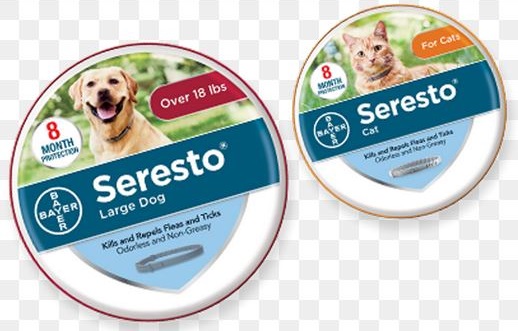
WARNING! Seresto flea collar linked to 1,700 pet deaths

If you’re using a Seresto flea collar for your dog or cat, REMOVE IT IMMEDIATELY!

Johnathan Hettinger reports for USA Today, March 2, 2012, that according to U.S. Environmental Protection Agency (EPA) documents, Seresto, one of the most popular flea and tick collars, has been linked to hundreds of pet deaths, tens of thousands of injured animals and hundreds of harmed humans.

But the EPA has done nothing to inform the public of the risks.

Seresto, developed by Bayer and now sold by Elanco, works by releasing small amounts of pesticide onto the animal for months at a time. The pesticide is supposed to kill fleas, ticks and other pests but be safe for cats and dogs.

But thousands of pets are being harmed, according to federal documents obtained by the non-profit Center for Biological Diversity through a public records request. The center then provided the documents to the Midwest Center for Investigative Reporting.

Since Seresto flea and tick collars were introduced in 2012, the EPA has received incident reports of at least 1,698 related pet deaths. Overall, through June 2020, the agency has received more than 75,000 incident reports related to the collars, including nearly 1,000 involving human harm.

H/t BL

I use Comfortis flea tablet for my cats. My vet told me that the pill is safe for pets because it is not designed for mammals (like dogs and cats), but specifically targets insects like fleas.

One pill is good for an entire month. Cats are notorious for being difficult to pill. What I do is crush the pill into powder, mix the powder with a syringe-full of yummy chicken broth, then squirt the liquid into the cat’s mouth.

Update (March 7, 2021):

Body & Soul reader MCA sent me a link to a statement from Alleghany North Veterinary Hospital defending Seresto. Click here.

~E

Is Joe Biden’s appointment going to preserve our health and sanity in trying times

Monty Python and Rachel Levine in drag

Rachel Levine is a man suffering from extreme gender dysphoria. He is also a pediatrician, meaning that parents are expected to trust him with the care of their children. 

This is not a way to promote the health of the American people,

~ TD


Epidemic of loneliness: health effects; how to combat

Nikkei Asia reports on Feb. 12, 2021 that Japan Prime Minister Yoshihide Suga added a new post to his cabinet when he appointed Tetsushi Sakamoto to be a minister of loneliness, charged with coordinating efforts across multiple ministries and agencies to alleviate social isolation.

Telework and the lack of social gatherings during Japan’s fight against COVID-19 have left people feeling increasingly stressed and lonely. Older Japanese who are not used to communicating online have become more isolated from the outside world. Even younger, tech-savvy Japanese have struggled with protracted social-distancing efforts. Closed offices and schools mean they have less contact with colleagues and friends. Many have also lost jobs, adding economic stress to their situation.

The Japanese government believes pandemic-linked isolation accounts for the first uptick in suicides in 11 years, by 750 to 20,919 in 2020. This is the first increase since 2009, just after the global financial crisis.

Japan already had the highest suicide rate out of any of the Group of Seven leading industrial nations, at 14.9 suicides per 100,000 individuals, according to the Organization for Economic Cooperation and Development. Much of these deaths have been attributed to health and economic problems, which could only worsen as the coronavirus pandemic drags on.

Suga in particular noted a rise in suicides among women. While suicides among men fell for the 11th straight year, suicides among women rose for the first time in two years to 6,976. A total of 440 elementary, middle and high school students had also died by suicide as of November, the highest number since 1980.

Suga said: “Women especially are feeling more isolated and face increasing suicide rates. I hope to promote activities that prevent loneliness and social isolation and protect the ties between people.”

Japan’s government has yet to come up with specific measures to address the situation. But it could model its efforts after the U.K., which appointed a minister for loneliness and published a “Loneliness Strategy” in 2018. Government surveys now include loneliness as a topic. London works with local governments and volunteer organizations to assist at-risk groups like the youth and the unemployed. Research has found that at least 13% of UK’s population felt alone, and that disconnected communities may be costing the British economy £32 billion ($44 billion) a year.

In the United States, according to a 2016 Mercator Net report, about one in three people older than 65 live alone, and studies show 10% to 46% of those older than 60 are lonely.

Dr. Carla M. Perissinotto, a geriatrician at the University of California, San Francisco, calls the epidemic of loneliness a public health crisis. She says, “The profound effects of loneliness on health and independence are a critical public health problem. It is no longer medically or ethically acceptable to ignore adults who feel lonely and marginalized.”

A study she conducted showed that, among adults over 60, those who reported feelings of loneliness had significantly higher rates of declining mobility, difficulty in performing routine daily activities, and death during 6 years of follow-up. This association remained significant even after taking into account people’s age, economic status, depression and other health problems.

University of Chicago neuroscience researcher John T. Cacioppo, who studies the social nature of the human brain, puts loneliness on the same instinctive level as thirst, hunger or pain – as a survival mechanism. In an interview he says:

“One of the things that surprised me was how important loneliness proved to be. It predicted morbidity. It predicted mortality. And that shocked me. When we experimentally manipulated loneliness, we found surprising changes in the “personalities” of people. There’s a lot more power to the perception of being socially isolated than any of us had thought.”

Cacioppo’s research has shown links to high blood pressure and impaired immune responses. Other research implicates loneliness in heart attacks and suicide.

Many things beside social circumstances — not having family members nearby or not having friends — contribute to America’s loneliness epidemic. The following two seem especially significant:

  1. Ethos of individualism: American culture’s emphasis placed on individualism makes “independence” the highest virtue and an excuse for not “needing” others or for not getting involved in the lives of needy people. But the reality of human life is interdependence — we need each other. In fact, a main argument for euthanasia is that people do not want to be dependent – even on their families – and this could become society’s “decent” option for lonely people.
  2. Decline of religion and church attendance has removed an important social as well as spiritual support for people of any age. A European study found that joining a religious organization is more beneficial to mental health than joining charity, sport, education or political groups for a sample of people over 50. Epidemiologist Dr. Mauricio Avendano, one of the authors of the report, noted:

“The church appears to play a very important social role in keeping depression at bay and also as a coping mechanism during periods of illness in later life. It is not clear to us how much this is about religion per se, or whether it may be about the sense of belonging and not being socially isolated.”

In the case of Christianity, it teaches us that even if we don’t have a loving family on earth, we have a loving Father in Heaven. Our faith also teaches us how to be loving mothers and fathers, husbands and wives, sons and daughters, brothers and sisters, friends and even enemies, so no one should ever feel abandoned.

One of the best ways to combat loneliness is to get out of our selves by:

  • Literally go outside: Step out of your house and take a walk!
  • Better yet, take a walk in greenery, like a park. Studies found even gazing at trees and nature elevate our mood.
  • Exercise: Our bodies release endorphins, the feel-good hormone, when we exercise.
  • Reach out to others: Call or email your friends and family.
  • Be kind: Volunteer for a public service; donate to a good cause; do something kind for another living being — human, animal or plant.
  • Talk to us on this blog! That is why I spent close to $500 to set up this alternate blog, Body and Soul, in order to preserve our FOTM family and community.

~E